

They've mustered in the howling winds, headed stock up ridgelines in the high country, and, through thick and thin, good times and bad, stayed loyal to their human workmates. Now, thanks to a vital Kiwi charity, New Zealand's retired working dogs are slowing down and putting their paws up.
There are roughly 200,000 working dogs in New Zealand. They’ll rise before dawn and cover kilometres a day through some of our toughest landscapes. Then, happily and without complaint, they’ll do it all over again the next day.
When a working dog's career ends (or perhaps never quite takes off), it’s an equally hard-working group of volunteers who ensure they can transition into the next phase of their life with a new purpose and a whole lot of love.
Retired Working Dogs NZ (RWD) was founded 14 years ago by vet nurse Natalie Smith. Todd, a 12-year-old heading dog, had been brought in to be euthanised. Instead, Natalie gave him a home.
That one stubborn act of kindness has grown a charity into a nationwide operation with three trustees, 45 volunteers, and a social media following nudging 50,000 people.
"People get confused because we say 'retired' and they think all our dogs are going to be old."
Despite its popularity there are still a few misconceptions about the charity. According to RWD trustee Marie-Claire, the first thing people should know is that “the name is a little misleading – they’re not just retired dogs”.
"People get confused because we say 'retired' and they think all our dogs are going to be old," she says.
In reality, the charity takes on working dogs at all stages of life. This includes young dogs who've tried farm work and realised that, as she puts it, "similar to humans, some of them are just not very good at it."
Some dogs come in having never taken to the job. Some are physically unable to work after an injury, even once they've healed. Others are older dogs who just need to swap the high country for somewhere a bit flatter. And some are puppies who've found themselves without a space on the farm.
The breeds you'll see most are the ones that define New Zealand farming. That’s huntaways, heading dogs, border collies, beardie crosses, and, yes, pig dogs too.
"We count them as working dogs, as they are doing a job that needs to be done," says Marie-Claire. “We effectively support medium-sized, clever, loyal dogs who are wired to be useful and to be with their people.”
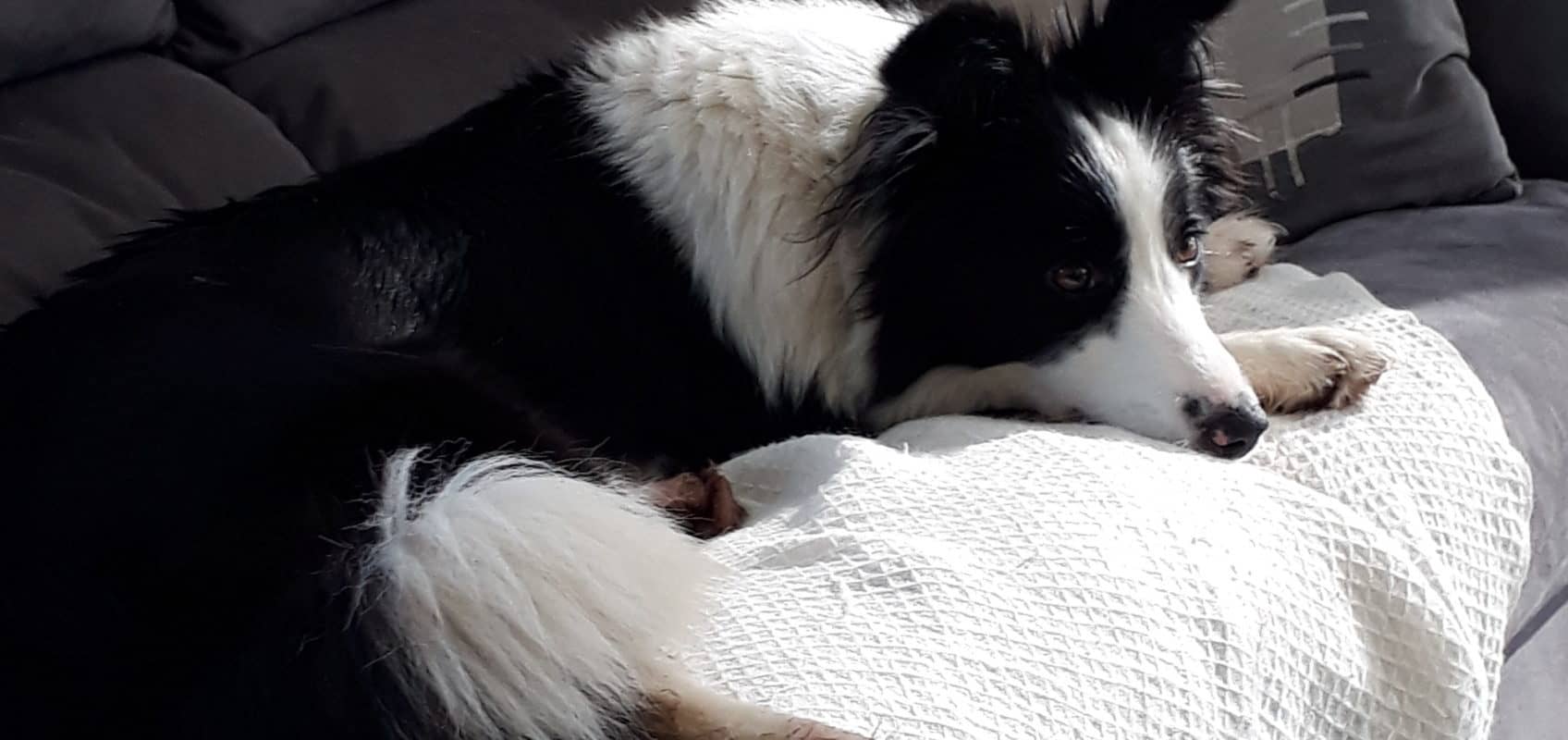
Toshie - Former working dog, now enjoying retirement
From farm to foster
RWD has no shelter. Dogs that need to come off farm or from the vet go straight into a foster home with full support provided by the charity. The foster family then gets to know the dog, rehabilitates them if needed and the charity can then understand the dog’s requirements well enough to find them the right forever home.
For dogs being rehomed directly by their farmers RWD uses its considerable social media reach to find candidates, and then supports the match.
"We will reach out to the farmer directly and have the conversation," says Marie-Claire. “Often it's the little details inside the information we get that ensures a good fit.”
The charity acts as a connector, a support network, and a safety net. If a placement doesn't work out, the dog comes back to foster, no questions asked.
The approach is clearly working. Currently, dogs listed on behalf of farmers are finding homes in an average of nine days. Foster dogs are typically placed within three months. For a charity run entirely on donations and volunteer hours, it’s an impressive undertaking.
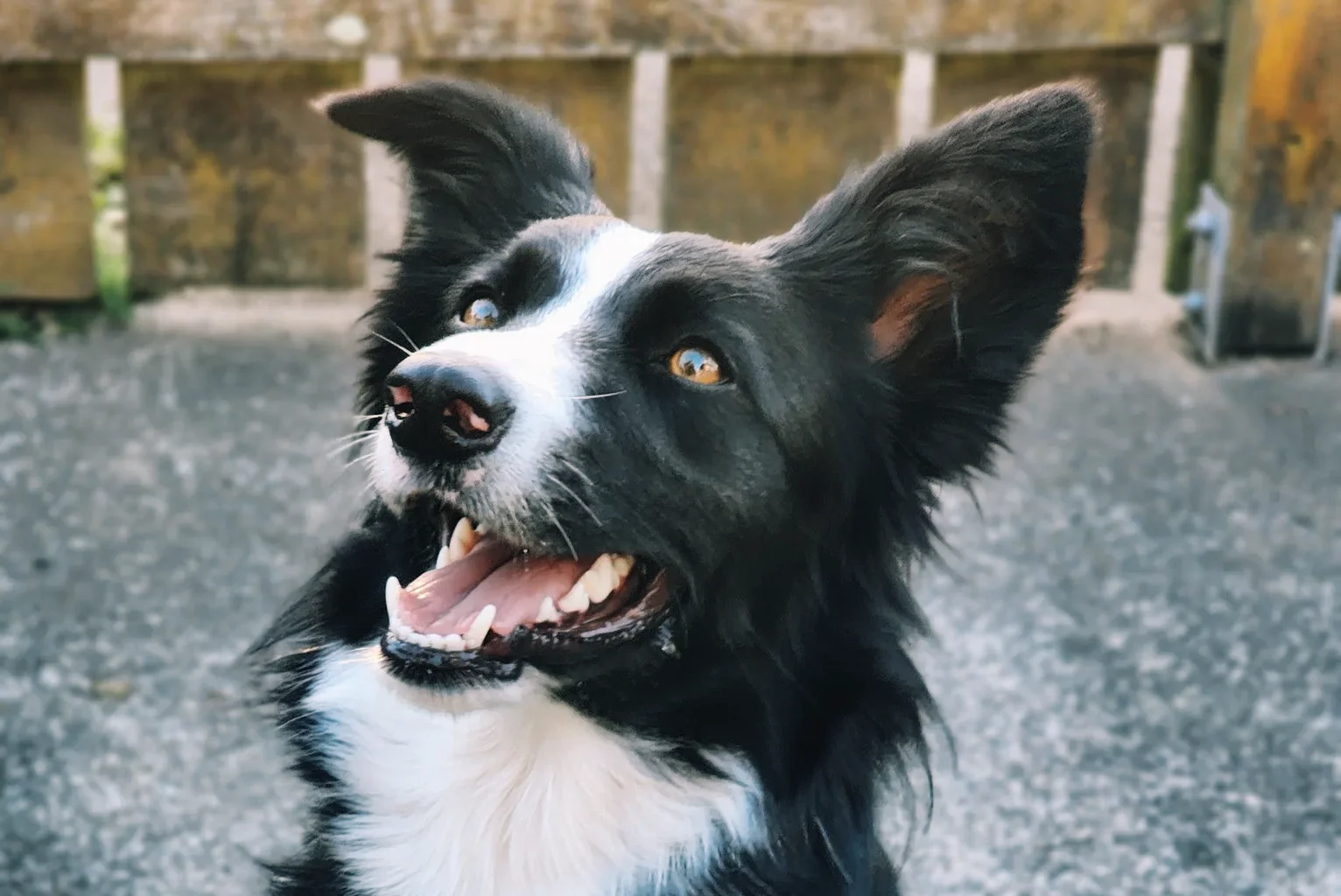
Name: Kiwi
Age: 1
Breed: Border collie
Location: Currently fostered in Hamilton
Enjoys: Cuddles and cheese
"They think they've been given the keys to the kingdom"
Here's what surprises most people about adopting a working dog: it's easy. Easier, often, than adopting a younger, untrained ‘city’ dog.
"They're curious and loyal and intelligent," says Marie-Claire. "If someone says, hey, would you like this warm bed by the fire and to sleep on the sofa and they realise that that's an instruction, they'll do it and they'll enjoy it. Toilet training isn't an issue, as they are very clever."
“They want a job… even if that job is just
making sure you're okay.”
Her own dog, Eric, a 35-kilogram pig dog she adopted when she joined the organisation is a case in point.
"I showed Eric his bed and he was like, 'Really? Okay, cool.'"
Now Eric walks about 500 metres a day, potters around, and is perfectly content.
You also don't need a lifestyle block or a paddock. Some dogs need more movement than others, but many are perfectly happy in a suburban home with regular adventures and a person to shadow.
What the dogs do need is company, mental stimulation, and someone who understands that they’ve spent their lives working alongside humans.
“They want to be near you, they want a job,” says Marie-Claire. “Even if that job is just making sure you're okay.”
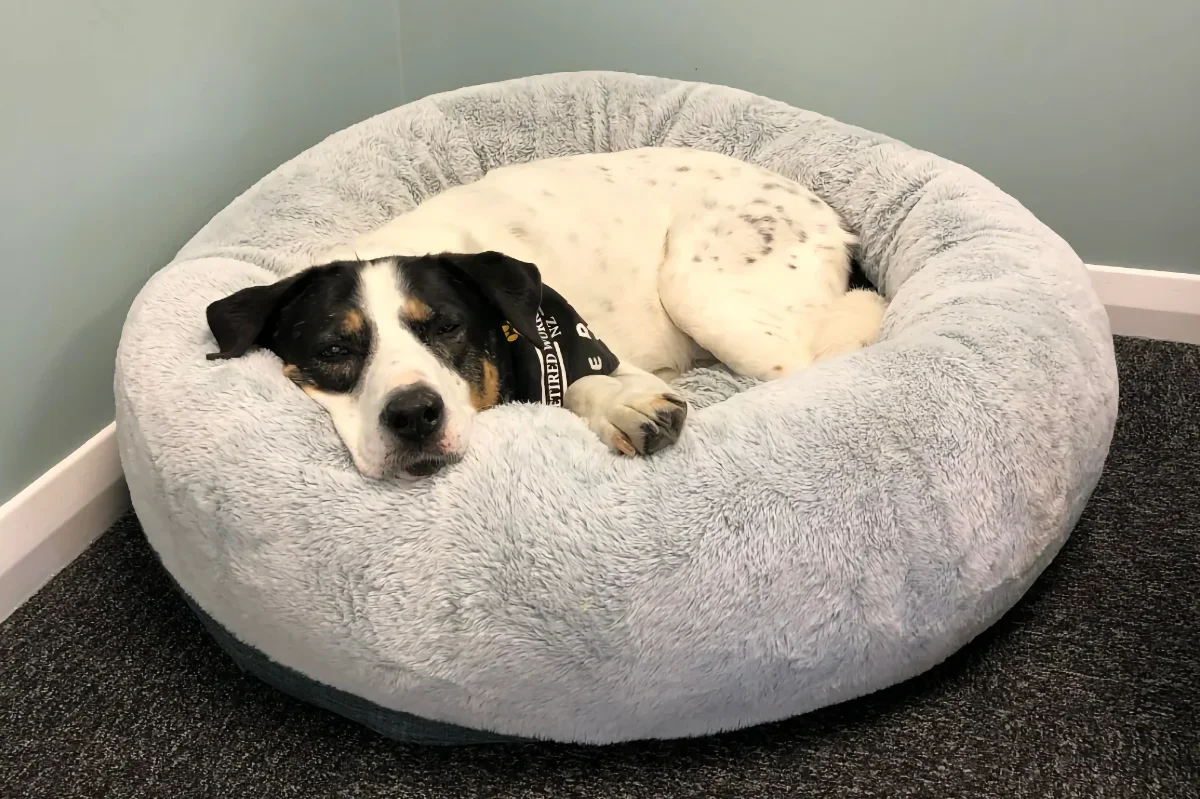
Eric, hard at work
The farmers feel it too
It's worth pausing on what it means for a farmer to hand over their dog. These are not ‘discarded’ animals. They're working partners, often the same dog, day in and day out, for eight or ten years.
"People think they treat their dogs like tools, but they don't," says Marie-Claire. "There's a huge respect for all the hard work they've done."
“(It’s) a far better result when they can
go and have a rewarding second life."
What makes it an especially difficult situation is that working dogs know when they're being left behind. They watch the other dogs head out to the paddock, doing everything they've done for years, and simply can't follow anymore.
"It's really hard," says Marie-Claire. "It’s actually depressing for them. Which makes it a far better result when they can go have a rewarding second life."
Many farmers ask to keep in touch. Some specifically request that their dog go to someone local so the connection can continue. RWD tries to make this happen where possible.

Name: Tiff
Age: Approximately 9
Breed: Heading dog
Location: Currently fostered in Waipara, North Canterbury
Enjoys: Soft grass, snacks and pats
The lifers
Not every dog can be rehomed. For some, the medical complexity or care requirements are simply too much to reasonably pass on to an adoptive family.
These dogs are RWD's "lifers”. They stay within the organisation permanently, living in foster care with the full support of the charity behind them.
The charity has recently started building a "pack" around each lifer: a group of supporters who contribute financially and in return get regular updates, photos and newsletters.
Their first lifer with a dedicated pack was a dog called Billy, who passed away earlier this year after four years with the charity. When he died, members of Billy's pack immediately asked to join the next one.
"It's a way to have a retired working dog without having a retired working dog," says Marie-Claire.
The “pack” structure is something that the charity is looking into launching for more of their lifers soon, so stay tuned on their social media pages and website, Retired Working Dogs NZ if you’d like to help out a lifer.

Daisy, resident lifer
A community built on gratitude
Close to 50,000 people follow Retired Working Dogs on Facebook. Contrary to popular belief, many of these followers are in towns and cities. They’re people who have never owned a working dog and have never worked a farm, but who feel a deep connection to the dogs.
"When we talk to meet people at events and talk to them what really comes through is this real respect for what the dogs have done out in the country – that really important work," says Marie-Claire.
"There are a lot of people who are super grateful for that. It’s a lovely moment where they decide, okay, we couldn't be there for that part of their life, but we can be for their second life.”
This sentiment was at the heart of the founding of Retired Working Dogs and it continues to drive their work forward: a second life – for dogs who've given everything to their first one.
How to get in behind a great cause
Retired Working Dogs NZ is entirely volunteer-powered and donation-funded. Vet costs alone run to tens of thousands of dollars a year. If you'd like to help:
Adopt: Browse current dogs at retiredworkingdogs.org.nz
Foster: Temporary homes are always needed across the country.
Donate: Every dollar goes directly to the dogs.
Follow and share: The Facebook and Instagram communities are how dogs get found, and every share matters.
Volunteer: Social media, fundraising, vet liaison, and events roles are all available.